
Insights
Expert perspectives on quality management, regulatory compliance, audits, and risk-based systems to help teams improve performance and manage risk.
BROWSE: All Articles | Audits and Inspections | Quality Management | Regulatory Compliance
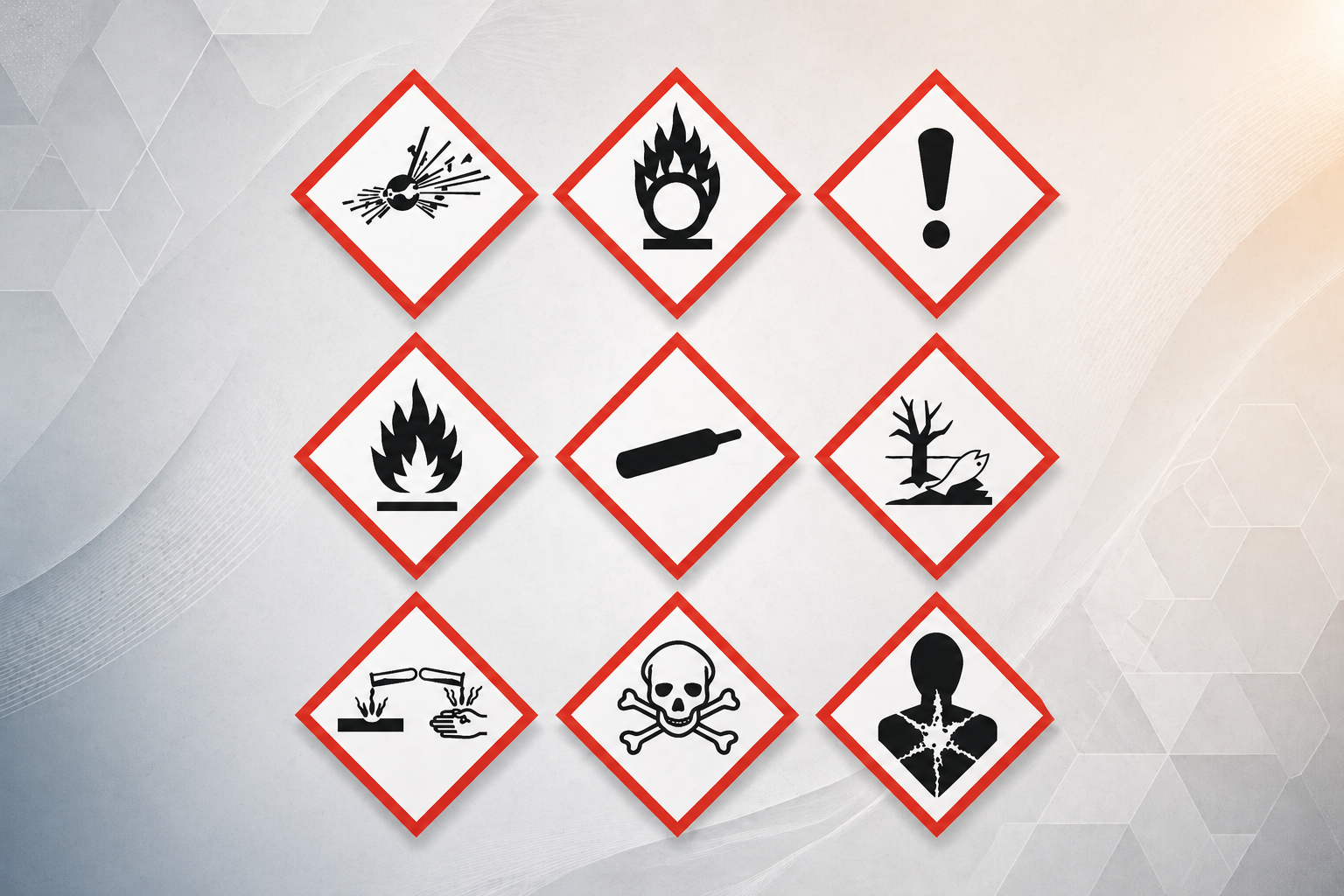
Preparing for OSHA HazCom updates: What you actually need to do before May 19, 2026
OSHA’s HazCom update includes an upcoming compliance deadline for SDS and labeling changes. The real challenge is coordinating updates across training, audits, and documentation to be ready.

Risk-based quality systems across industries
Industries from manufacturing to aerospace are adopting risk-based quality systems. By shifting from compliance-focused processes, organizations now have integrated systems that manage risk across the entire lifecycle.

How to evaluate quality system performance: The future of risk-based auditing
Passing an audit doesn’t prove your system works. It takes evidence and measurable outcomes to show how effectively risk is controlled across the entire quality system.

What risk-based quality systems mean for manufacturing, food safety, and compliance teams
Risk-based quality systems are reshaping manufacturing, food safety, and other regulated industries. Organizations must move beyond periodic audits to continuous, system-level risk control.

What QMSR changes about FDA inspections and quality management systems
QMSR is reshaping FDA inspections by emphasizing how quality systems actually function. Inspectors are increasingly focused on risk management, system interactions, and real performance outcomes.

How audit structures shape behavior
Discover why traditional audit models can fail to detect system-level risk, and why compliance alone doesn’t guarantee true operational control.

Why traditional inspection models are reaching their limits
Learn why regulators are shifting to risk-based inspections and how modern quality systems must evolve beyond documentation to control risk.

How to prevent compliance drift: What a real control management system looks like
A real control management system is a living structure that makes control ownership visible and review deliberate. Audits simply confirm what the organization already knows.

When control review becomes assumption
Compliance programs rarely decay first. What fades first is attention, and with it the consistency of review that keeps controls real rather than assumed.

Why compliance activity doesn’t reduce risk
Compliance activity creates motion, but motion alone does not reduce risk. Real risk reduction happens when controls have clear ownership, consistent review, and purpose beyond the next audit.

Passing an audit doesn’t mean you’re in control
Passing an audit doesn’t prove sustained control. Real stability comes from consistent ownership and control between audits, not from audit readiness alone.

Why evidence-based audits improve year over year
Most audits reset every year. Evidence-based audits don’t. See how structured evidence turns audits into a system for continuous improvement, better visibility, and stronger control performance over time.