
What being OSHA-ready actually looks like
Series: The Complete OSHA Hazard Communication Guide — Part 6 of 6
Compliance vs. readiness
There’s a difference between being compliant and being ready.
Compliance means you’ve done the work.
Readiness means you can prove it clearly, quickly, and without scrambling when an inspector asks.
The organizations that handle inspections with confidence aren’t relying on memory or hunting through file cabinets. They know where their records are, they know who completed training, and they can show how issues were identified, corrected, and verified.
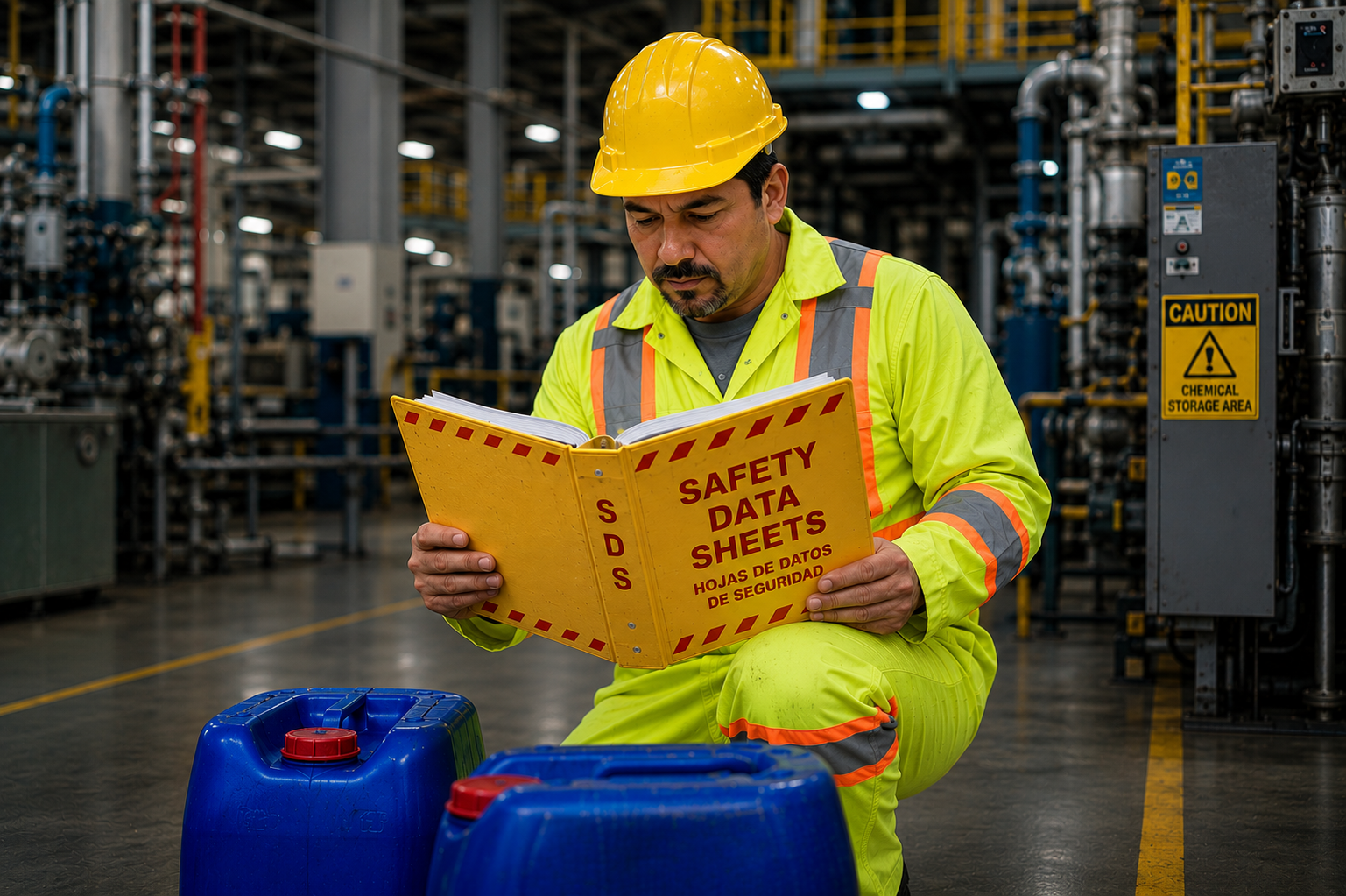
OSHA readiness starts long before an inspection. It begins with employees who know where to find safety information, understand workplace hazards, and follow established procedures every day.
What does OSHA look for during a HazCom inspection?
During a Hazard Communication inspection, OSHA isn’t just checking whether you have a written program.
Inspectors want evidence that your program is being implemented consistently. That includes:
Current Safety Data Sheets (SDSs)
Proper chemical labeling
Employees who understand the hazards they’re exposed to
Records showing required training has been completed
Documentation of inspections, audits, corrective actions, and follow-up
They’re evaluating both the program and whether it’s working in practice.
Learn more:
https://www.osha.gov/hazcom
Why readiness matters more than ever
Since OSHA aligned the Hazard Communication Standard with the Globally Harmonized System (GHS), chemical hazards have become more consistently classified and communicated through standardized labels, pictograms, hazard statements, and the 16-section Safety Data Sheet format. That consistency improves workplace safety, but it also raises expectations that employees understand and correctly use this information.
Today, OSHA isn't simply looking for proof that training occurred. Inspectors also evaluate whether workers can recognize hazards, understand standardized labels and SDSs, and demonstrate that the organization's Hazard Communication program is being followed in day-to-day operations.
When your systems work together
This is where preparation makes all the difference. When audits are structured, training is documented, corrective actions are tracked, and evidence is captured as work happens, inspection questions become much easier to answer.
Instead of saying, "I think we have that somewhere..."
You can say, "Here's the record."
Where GapCross fits
GapCross helps organizations replace scattered spreadsheets, disconnected documents, and manual follow-up with structured workflows.
Teams can conduct audits and inspections, capture observations and evidence, assign and verify corrective actions, and maintain a complete record of compliance activities across audits, training, and corrective actions. The platform supports collaboration between auditors and participants while preserving a permanent record of the assessment process.
Confidence comes from structure
OSHA readiness isn't about hoping you pass an inspection. It's about building a system where compliance becomes part of everyday operations, and proving it whenever someone asks.
Because when everything is organized, documented, and connected, inspections become less about scrambling... and more about showing the work you've already done.
OSHA Hazard Communication Series
Part 2: Why most HazCom audits fail
Part 4: Why HazCom breaks down
Part 6: What being HazCom-ready actually looks like (Current)