
The Complete OSHA
Hazard Communication Guide
A six-part series covering GHS Revision 7, audits, training, SDS management, corrective actions, and OSHA inspection readiness.
Overview
OSHA's updated Hazard Communication Standard (HazCom), aligned with GHS Revision 7, changes how organizations manage chemical hazard communication through Safety Data Sheets (SDSs), labels, employee training, audits, and documentation.
As the implementation deadlines continue to roll out, maintaining compliance requires more than meeting individual dates. Organizations must ensure that hazard information remains accurate, training stays current, corrective actions are completed, and documentation is readily available when it matters most.
This guide walks through the practical steps for building and maintaining an effective Hazard Communication program, from understanding the regulatory changes to preparing for an OSHA inspection.
For official guidance, visit OSHA:
https://www.osha.gov/hazcom
This guide will help you:
Understand OSHA's updated Hazard Communication requirements
Build consistent and repeatable HazCom audits
Demonstrate effective employee training
Keep SDSs, labels, and compliance records synchronized
Turn audit findings into verified corrective actions
Maintain ongoing OSHA inspection readiness
Looking for a better way to manage HazCom?
GapCross helps organizations conduct structured audits, manage corrective actions, guide training workflows, collect evidence, and maintain the documentation needed for OSHA readiness.
HazCom
Implementation Timeline
On January 15, 2026, OSHA extended all of the compliance dates for the updates to the Hazard Communication Standard by four months. For more details, see the Federal Register notice.
Compliance date: May 19, 2026 (18 months after effective date)
Requirement(s): Update labels and SDSs for substances
Who: Chemical manufacturers, importers, distributors and employers
Compliance date: November 20, 2026 (24 months after effective date)
What: Update workplace labels, hazard communication program and training for substances as necessary
Who: Employers
Compliance date: November 19, 2027 (36 months after effective date)
Requirement(s): Update labels and SDSs for mixtures
Who: Chemical manufacturers, importers, distributors and employers
Compliance date: May 19, 2028 (42 months after effective date)
Requirement(s): Update workplace labels, hazard communication program and training for mixtures as necessary
Who: Employers
Transition Period: July 19, 2024 to the effective completion dates noted above *
Requirement(s): May comply with either 29 CFR 1910.1200 (this final standard), or the previous standard, or both
Who: Chemical manufacturers, importers, distributors, and employers
* During this transition period, employers may comply with either the HCS effective on October 1, 2023, or the final rule published on May 20, 2024.
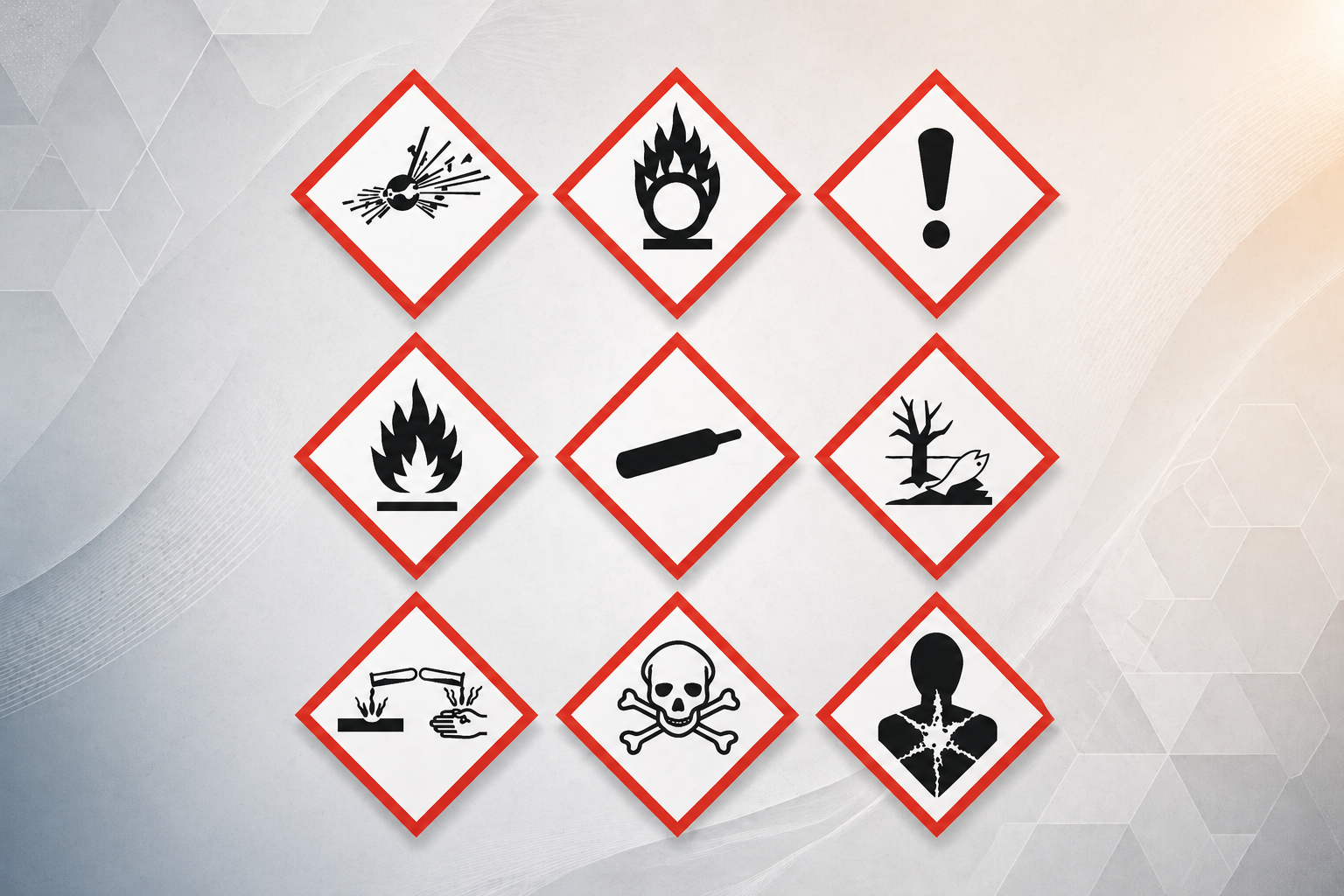
Part 1: Preparing for OSHA HazCom updates: What you actually need to do before May 19, 2026
Learn how to coordinate upcoming GHS Revision 7 requirements for SDSs, labels, training, and audits.

Part 2: Why most HazCom audits fail (and how to fix them before OSHA does)
Find out how structured, repeatable audits help identify HazCom gaps before OSHA does.

Part 3: HazCom training isn’t the problem. Proving its effectiveness is.
Discover how to demonstrate employee understanding, not just training attendance.

Part 4: Why HazCom breaks down: Information lives in too many places
See how connecting SDSs, training, and records strengthens HazCom compliance.

Part 5: Closing HazCom gaps through accountability
Learn how to turn audit findings into verified corrective actions.
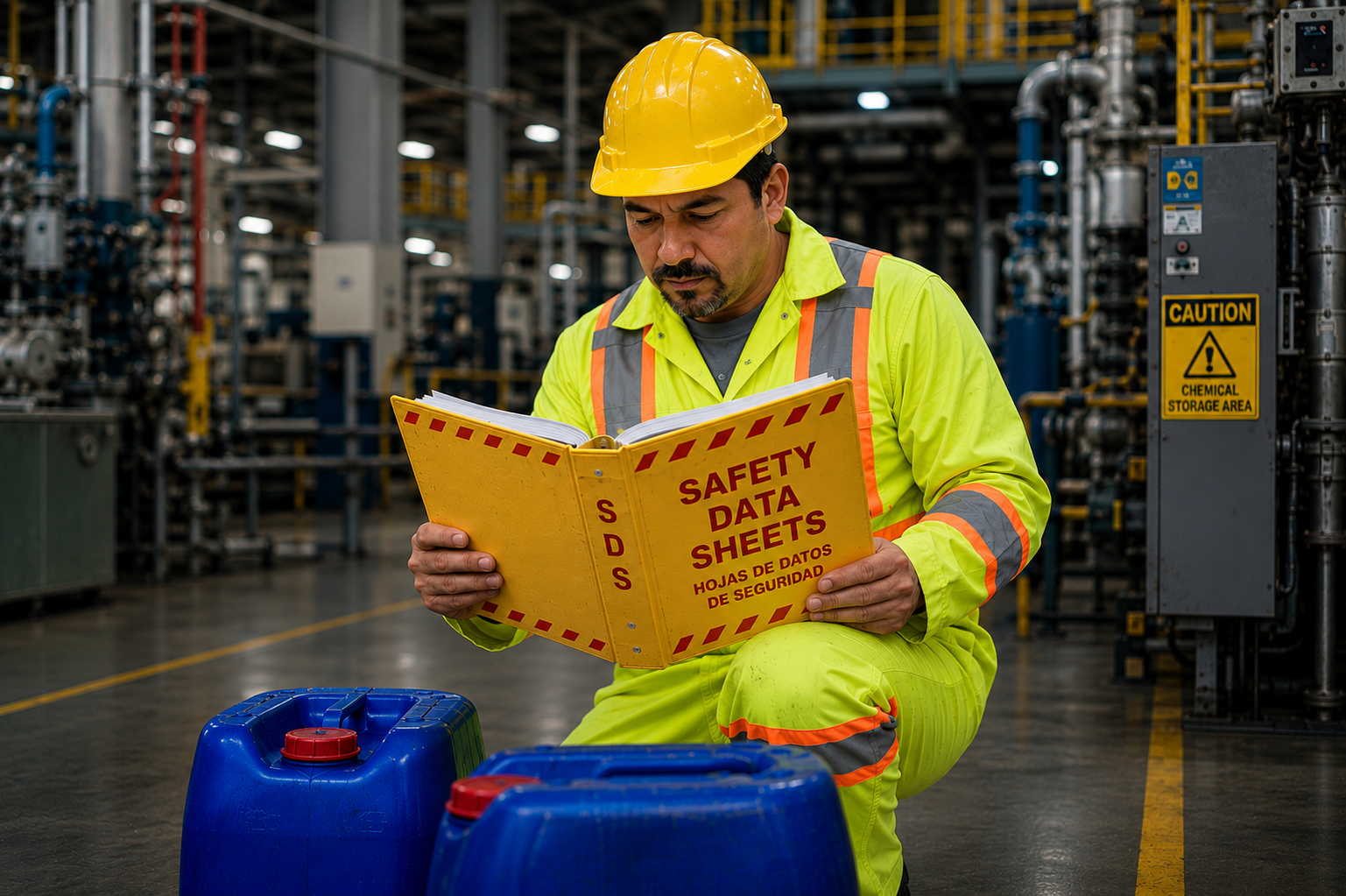
Part 6: What being OSHA-ready actually looks like
Discover what OSHA inspectors look for and how to maintain ongoing HazCom readiness.