
Insights
Expert perspectives on quality management, regulatory compliance, audits, and risk-based systems to help teams improve performance and manage risk.
BROWSE: All Articles | Audits and Inspections | Quality Management | Regulatory Compliance
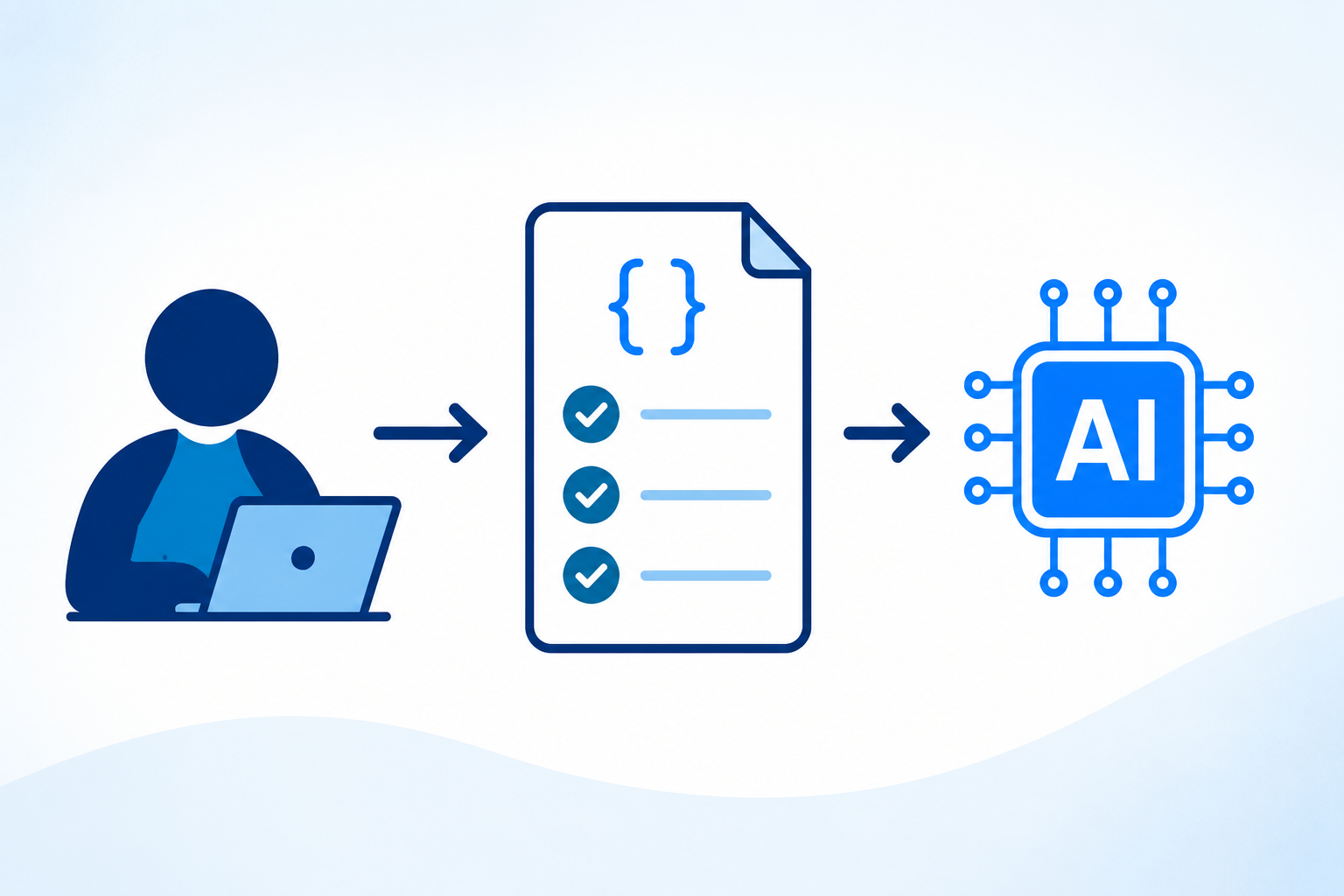
Before AI can help, it needs to know the rules
For AI to build a trustworthy assessment—and save time and rework later—it first needs to understand the rules, structure, and boundaries.
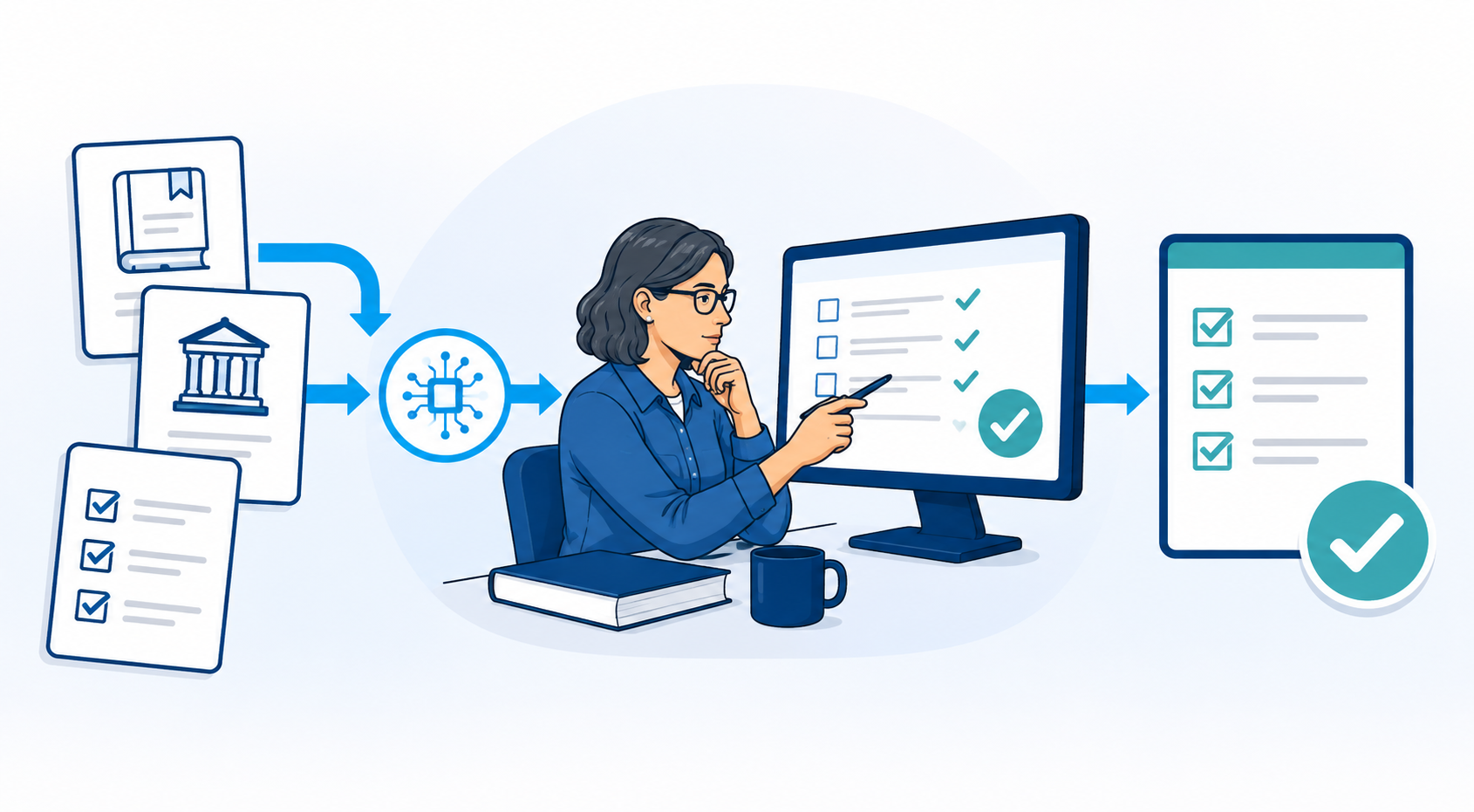
From standards to assessments: Using AI without losing expert judgment
AI can dramatically accelerate the work of turning technical standards into assessments. See why subject matter expertise remains essential to producing a trustworthy result.
AI changes how we put expertise to work
AI isn't replacing subject matter experts; it's helping them accomplish more. Discover how AI speeds up the transformation of operational knowledge, giving experts more time to apply their expertise where it matters most.

Digital transformation of institutional knowledge
Discover why digitizing documents isn't enough. Learn how operational systems help organizations preserve institutional knowledge and improve continuously.
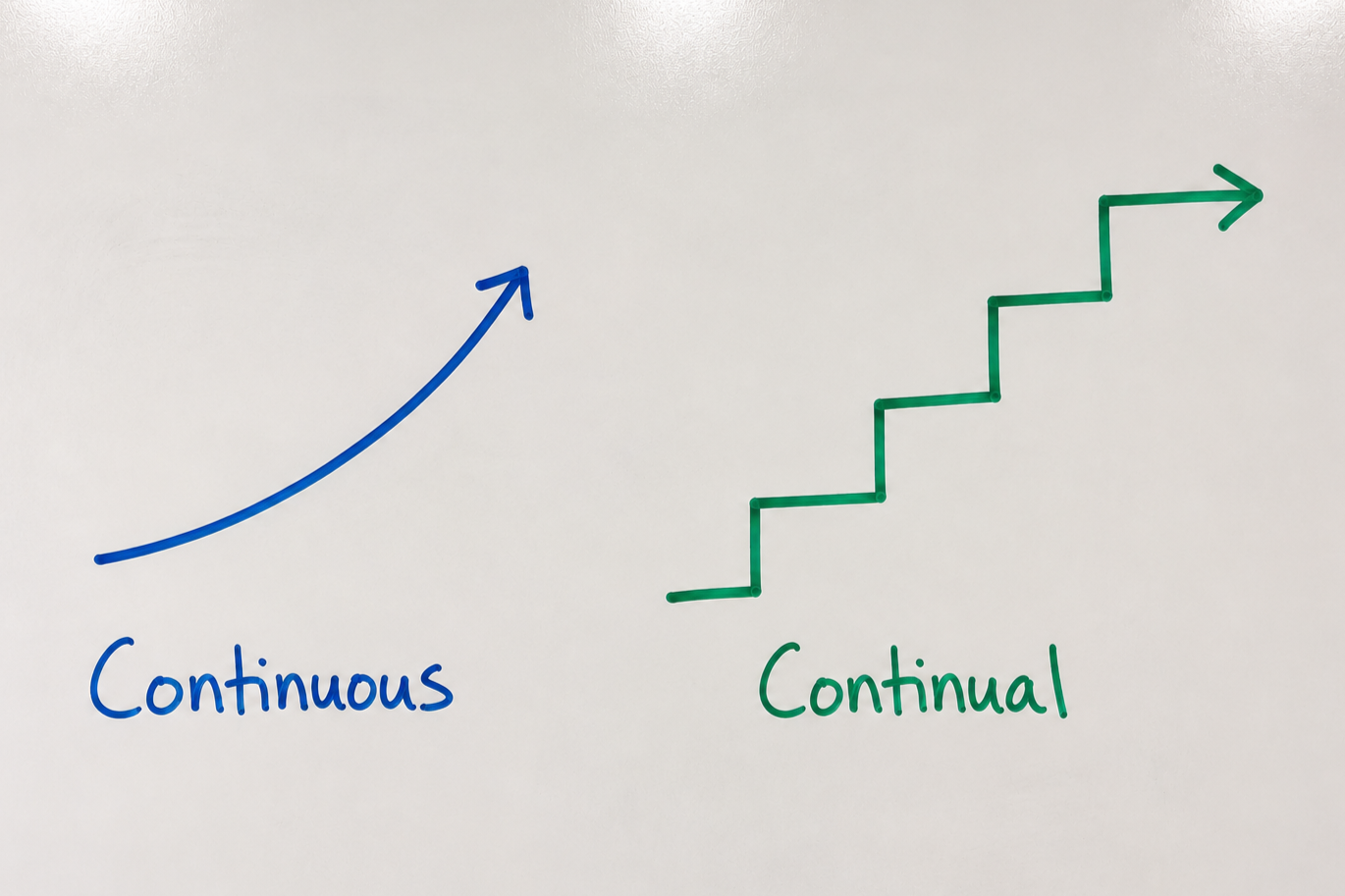
Continuous improvement or continual improvement? Does the difference matter?
Continuous improvement and continual improvement are often treated as interchangeable, but understanding the difference leads to clearer audits, better management systems, and more accurate interpretation of quality requirements.

Hazard vs. risk: Why confusing them leads to poor decisions
Hazard and risk are not the same. Discover why understanding the difference leads to better risk assessments, stronger controls, and more informed decisions.

The most overlooked opportunity for continuous improvement
Every audit reveals opportunities to improve the assessment itself. Learn why continuous improvement should apply to audit and assessment programs.

Why shared understanding takes time
Sometimes the most valuable outcome of standards development isn't changing the standard; it's developing a shared understanding of what it already says.
Separating requirements, intent, and implementation
An ASTM Committee Week discussion revealed why many quality management disagreements arise from confusing requirements, intent, and implementation—and how separating them leads to clearer audits, standards, and decisions.

Risk-based quality systems across industries
Industries from manufacturing to aerospace are adopting risk-based quality systems. By shifting from compliance-focused processes, organizations now have integrated systems that manage risk across the entire lifecycle.

How to evaluate quality system performance: The future of risk-based auditing
Passing an audit doesn’t prove your system works. It takes evidence and measurable outcomes to show how effectively risk is controlled across the entire quality system.

What risk-based quality systems mean for manufacturing, food safety, and compliance teams
Risk-based quality systems are reshaping manufacturing, food safety, and other regulated industries. Organizations must move beyond periodic audits to continuous, system-level risk control.